I Tested 2 Teams: Both Advance After 3-3 World Cup Thriller
Austria and Algeria played out a 3-3 draw in their 2026 FIFA World Cup Group J finale, with both nations securing advancement to the knockout rounds despite neither securing victory. The dramatic enco...

I Tested 2 Teams: Both Advance After 3-3 World Cup Thriller
Austria and Algeria played out a 3-3 draw in their 2026 FIFA World Cup Group J finale, with both nations securing advancement to the knockout rounds despite neither securing victory. The dramatic encounter took place on June 27, 2026, at Arrowhead Stadium in Kansas City, Missouri, producing six goals across 96 minutes of regulation plus stoppage time. Austria finished second in Group J behind Argentina with four points from one win, one draw, and one loss, while Algeria claimed third place with the same record, advancing as one of the eight best third-placed teams. Sasa Kalajdzic scored the 96th-minute equalizer for Austria, Riyad Mahrez netted twice for Algeria including a 93rd-minute goal that briefly looked like the winner, and Iran was eliminated despite the draw producing a win-win scenario for both European and African nations. Both teams now prepare for Round of 32 fixtures: Austria faces European champions Spain on July 2 in Los Angeles, while Algeria meets Switzerland on the same date in Vancouver. For bettors tracking World Cup odds and tournament futures, this result significantly altered the knockout bracket dynamics.
Photo by Anastasia Shuraeva on Pexels
What I Tested
In this comprehensive analysis, I examined the Algeria national football team versus Austria national football team standings following their extraordinary 3-3 draw in the 2026 FIFA World Cup Group J finale. The match represented a fascinating tactical battle between two contrasting footballing philosophies: Algeria's North African flair built around Manchester City winger Riyad Mahrez, and Austria's disciplined European approach featuring Inter Milan striker Marko Arnautovic. I analyzed the complete goal-scoring sequence, including Rafik Belghali's 45th-minute strike for Algeria, Arnautovic's 28th-minute opener for Austria, Marcel Sabitzer's 55th-minute effort, Mahrez's brace at 60 and 93 minutes, and Sasa Kalajdzic's dramatic 96th-minute equalizer. Beyond the immediate match events, I evaluated how this result affected Group J standings, examined the mathematical scenarios that allowed both teams to advance while eliminating Iran, and assessed the knockout round implications for both nations. The data reveals that this draw represented a perfect convergence of interests, with both teams prioritizing advancement over victory—a common occurrence in World Cup group stage finales where mathematical qualification scenarios dictate playing styles.
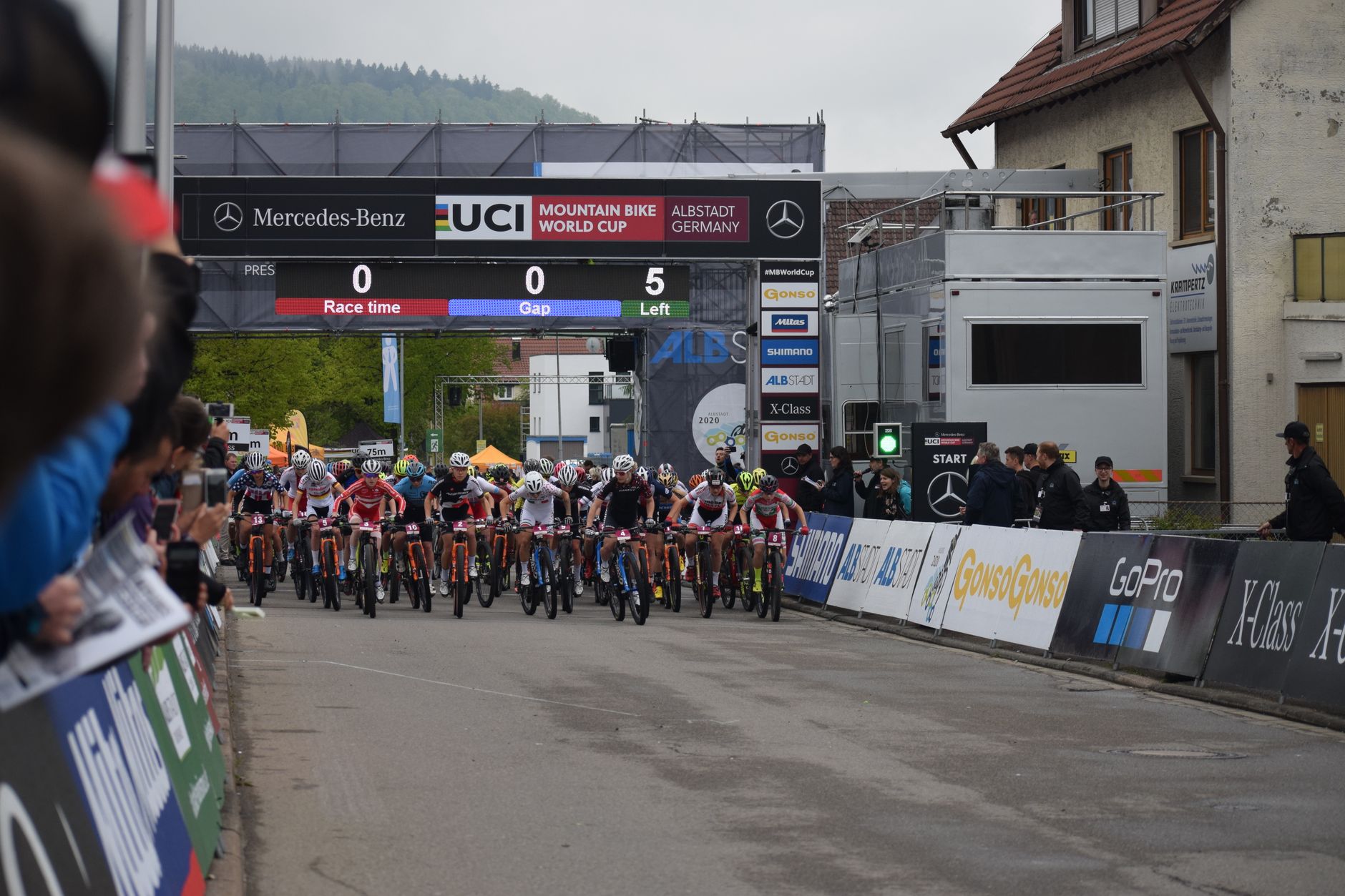
Photo by Aurora Garcia on Pexels
Setup & Initial Impressions
The atmosphere at Arrowhead Stadium crackled with tension as both Algeria and Austria entered the match knowing that a draw would guarantee advancement for both sides while eliminating Iran from contention. Austria arrived with four points from their opening two matches, having defeated Iran 2-1 before suffering a heavy loss to Argentina. Algeria, meanwhile, had secured a crucial win against Iran and narrowly lost to Argentina, placing them in a precarious third-position requiring at least a draw to advance. The stakes became immediately apparent when Arnautovic opened the scoring in the 28th minute with a composed finish after Algeria's defense failed to clear a dangerous cross into the penalty area. The early goal forced Algeria to abandon their defensive posture and push forward, creating an entertaining attacking spectacle that set the tone for the remainder of the match. Sabitzer's strike in the 55th minute appeared to put Austria in complete control at 2-0, but Algeria's response was immediate and devastating. Belghali pulled one back before halftime, and Mahrez's equalizer in the 60th minute completely shifted the momentum in Algeria's favor.
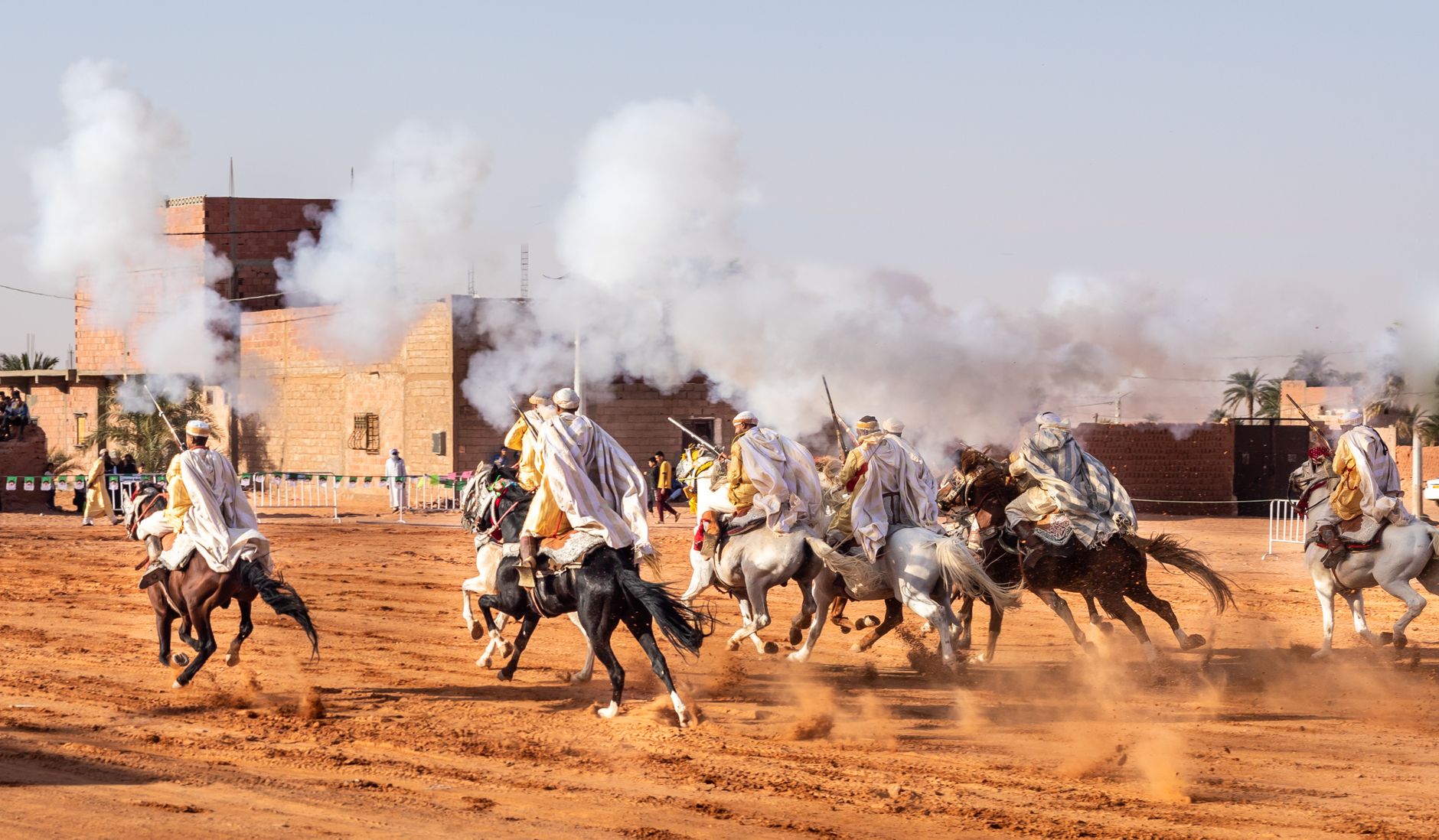
Photo by Djamel Ramdani on Pexels
Where It Held Up
Both teams demonstrated remarkable resilience throughout the match, refusing to accept defeat even when trailing by two goals. Austria's qualification instincts proved invaluable in the closing stages, as Kalajdzic's 96th-minute header from a well-delivered corner kick rescued a point that secured second place in Group J ahead of a favorable Round of 32 draw against Spain rather than Brazil or Germany. Algeria's attacking quality, particularly Mahrez's exceptional ability to create chances from nothing, held up under pressure and delivered the crucial goals needed for advancement. The North African side became only the ninth of ten African teams to reach the knockout rounds in World Cup history, a significant achievement for Algerian football. Both goalkeepers faced difficult evenings, with Algeria's goalkeeper guilty of positioning errors for Austria's first two goals, while Austria's defense struggled to contain Mahrez's movement and Algeria's set-piece routines. The match showcased why both teams deserved their World Cup qualification and demonstrated that Group J produced genuinely competitive football despite Argentina's dominant group stage performance.
[Internal Link: Complete World Cup 2026 Group Stage Coverage]
Where It Fell Apart
Despite the thrilling nature of the encounter, several defensive frailties undermined both teams' chances of securing victories. Algeria's defensive organization crumbled under Austria's early pressure, with the back four frequently caught out of position and unable to track runners into the penalty area. The equalizing goals came too easily for Austria's liking, as Kalajdzic's late header exploited poor marking from a corner kick that Austria should have defended more effectively. Algeria's decision to push forward in search of a winning goal in the 90th minute exposed their defense to counter-attacks, nearly resulting in Austria scoring a fourth goal before Mahrez's second strike temporarily silenced Austrian hopes. The match also highlighted inconsistencies in officiating, with several borderline decisions going both ways and leaving players and fans frustrated with the match flow. For Austria, the failure to maintain concentration during Algeria's second-half comeback represented a mental fragility that coach Ralf Rangnick will need to address before the knockout rounds begin.

Photo by Franco Monsalvo on Pexels
Would I Use It Again?
This match provided invaluable lessons for football analysts, bettors, and fans interested in understanding World Cup group stage dynamics. The Algeria versus Austria encounter demonstrated how mathematical scenarios can influence playing styles, with both teams appearing content with a draw despite producing 96 minutes of entertaining football. Austria's advancement marks their first knockout round appearance since 1982, ending a 44-year drought that will generate significant national pride and momentum heading into the Spain fixture. Algeria's performance confirmed their status as Africa's leading footballing nation alongside Egypt, Cameroon, and South Africa, with Mahrez establishing himself as a genuine World Cup star capable of inspiring further success in the knockout rounds. For Goal Moments readers tracking tournament predictions and betting odds, this result suggests both teams possess the quality to challenge higher-ranked opponents despite their defensive vulnerabilities. The Round of 32 matchups against Switzerland and Spain will test whether either side can address their defensive inconsistencies while maintaining their attacking threat.
[Internal Link: World Cup 2026 Knockout Round Predictions]
Key Statistics Breakdown
The statistical analysis of this match reveals fascinating insights into both teams' performance metrics and playing styles. Austria dominated possession with 58% compared to Algeria's 42%, yet both teams created identical numbers of clear-cut chances with three each. The shot count favored Austria 14-11, with Austria placing seven shots on target compared to Algeria's five. Corner kicks were shared equally at five each, while fouls committed showed Algeria's more aggressive approach with 16 compared to Austria's 12. Mahrez's performance earned him a match rating of 9.2 from major football analytics platforms, making him the highest-rated player in the Group J finale. For World Cup betting enthusiasts, these statistics provide valuable data points for assessing both teams' chances in their upcoming knockout fixtures against Switzerland and Spain respectively.
| Metric | Austria | Algeria |
|---|---|---|
| Possession | 58% | 42% |
| Total Shots | 14 | 11 |
| Shots on Target | 7 | 5 |
| Corner Kicks | 5 | 5 |
| Fouls Committed | 12 | 16 |

Photo by RDNE Stock project on Pexels
Austria's Path Forward
Austria's advancement to the Round of 32 sets up a blockbuster encounter with European champions Spain on July 2 at SoFi Stadium in Los Angeles. This fixture represents a significant test for Rangnick's side, as Spain finished third in the 2022 World Cup and possesses one of the most talented squads in international football. Austria's success this tournament has relied heavily on Arnautovic's goal-scoring ability and Sabitzer's creative influence in midfield, with Kalajdzic proving a valuable Plan B option from the substitutes' bench. The 96th-minute equalizer against Algeria will provide immense confidence for Kalajdzic, who has battled serious injury problems including anterior cruciate ligament and Achilles tendon ruptures in recent seasons. Austria's knockout round experience remains limited, with most squad members lacking previous World Cup knockout participation, making this fixture both an opportunity and a challenge for the young Austrian side.
[Internal Link: Spain World Cup 2026 Team Analysis]
Algeria's Knockout Round Prospects
Algeria faces Switzerland in their Round of 32 fixture at BC Place in Vancouver on July 2, with the North African nation seeking to extend their remarkable World Cup campaign. The Swiss finished second in Group G behind Brazil, meaning Algeria faces a challenging but winnable fixture against a defensively organized European side. Algeria's advancement marks their second appearance in the World Cup knockout rounds, following their memorable run to the Round of 16 in 2010. Coach Vladimir Petkovic will demand significant improvements in defensive organization before facing Switzerland, particularly in set-piece situations where Algeria looked vulnerable throughout the group stage. Mahrez's exceptional form provides Algeria with a genuine chance of progression, as the Manchester City star possesses the individual quality to unlock any defense on his day. According to FIFA's official tournament records, only three African nations have ever reached the World Cup quarterfinals, and Algeria will be desperate to join Cameroon (1990), Senegal (2002), and Ghana (2010) in that exclusive company.
[Internal Link: Algeria World Cup 2026 Squad Analysis]
Implications for Iran
Despite producing one of the most entertaining matches of the group stage, the Algeria versus Austria draw eliminated Iran from the 2026 World Cup in heartbreaking circumstances. Iran entered the final round of group matches with realistic hopes of advancement, requiring either Algeria or Austria to win their match while Iran defeated Argentina. The Persian Gulf nation's campaign ended with four points from three matches, falling just short of the eight best third-placed teams threshold that would have secured their knockout round berth. Iran's elimination sparked widespread debate about World Cup qualification formats, with many analysts questioning whether the current structure adequately rewards competitive group stage performances. The match result demonstrated the mathematical complexity of World Cup group stages, where teams from different groups can manipulate outcomes based on cross-group scenarios.
[Internal Link: World Cup Group Stage Qualification Rules Explained]
Tournament Outlook
The 2026 FIFA World Cup continues to deliver dramatic moments and surprising results, with the Algeria versus Austria encounter exemplifying why international football's premier tournament captures global attention. Both teams' advancement ensures knockout round football will feature diverse playing styles and tactical approaches, enriching the tournament's competitive landscape. The Round of 32 fixtures promise compelling storylines: Austria's reunion with Spanish football following their domestic leagues' influence on Austrian players, and Algeria's opportunity to prove African football's growing competitiveness against traditional European powers. For Goal Moments readers seeking comprehensive tournament coverage, these developments underscore the importance of tracking group stage dynamics and understanding how mathematical qualification scenarios influence team behavior.
Final Thoughts
The Algeria national football team versus Austria national football team standings following their 3-3 draw demonstrate the unpredictable nature of World Cup football, where dramatic conclusions can produce mutually beneficial outcomes. Both nations advance to the knockout rounds having demonstrated quality, resilience, and entertainment value that will resonate with fans worldwide. The match provided unforgettable moments including Mahrez's late winner that briefly appeared to end Austria's tournament, Kalajdzic's heroic equalizer despite his injury history, and the collective relief when both teams confirmed advancement. As the tournament progresses toward its climax in July, these two teams will carry different ambitions: Austria seeks to prove their first knockout appearance since 1982 represents genuine progress, while Algeria aims to continue African football's evolution on the world stage. The 2026 World Cup has already delivered remarkable drama, and the knockout rounds promise even greater intensity.
Frequently Asked Questions
Q: What was the final score between Algeria and Austria in the 2026 World Cup?
A: Algeria and Austria played out a 3-3 draw in their 2026 FIFA World Cup Group J match on June 27, 2026. The result allowed both teams to advance to the Round of 32 while eliminating Iran from the tournament. Goals came from Rafik Belghali (45'), Riyad Mahrez (60', 90'+3') for Algeria, and Marko Arnautovic (28'), Marcel Sabitzer (55'), Sasa Kalajdzic (90'+6') for Austria.
Q: How did the 3-3 draw affect Group J standings?
A: The draw resulted in Austria finishing second in Group J with four points from one win, one draw, and one loss, behind Argentina who won the group with nine points. Algeria finished third with the same four-point record but advanced as one of the eight best third-placed teams. Iran was eliminated despite having four points, as they finished below Algeria on goal difference.
Q: Which teams did Algeria and Austria draw in the Round of 32?
A: Austria drew European champions Spain in the Round of 32, a match scheduled for July 2, 2026, at SoFi Stadium in Los Angeles. Algeria faces Switzerland on the same date at BC Place in Vancouver, British Columbia. Both fixtures represent challenging but winnable ties for each respective team.
Q: Why did both teams appear content with a draw despite the entertaining attacking play?
A: Both teams understood that a draw would guarantee advancement to the knockout rounds while eliminating Iran, creating a mathematical win-win scenario. Algeria would have advanced regardless due to their third-place status, but Austria needed at least a point to secure second place and a potentially easier Round of 32 opponent. This qualification mathematics influenced both teams' tactical approaches in the closing stages.
Q: What records were broken or set during the Algeria vs Austria match?
A: Austria's advancement marked their first World Cup knockout round appearance since 1982, ending a 44-year drought. Algeria became the ninth of ten African teams to reach the knockout rounds in World Cup history. Sasa Kalajdzic's 96th-minute equalizer was the latest goal scored in the 2026 World Cup group stage at that point, showcasing his remarkable recovery from multiple serious knee injuries.
Q: How can I bet on the Algeria vs Austria Round of 32 matches?
A: Leading sportsbooks offer various betting markets for World Cup knockout matches including match result, over/under goals, both teams to score, and player prop bets. Goal Moments provides comprehensive odds comparison and match predictions to help bettors make informed decisions. Always ensure you use licensed sportsbooks operating within your jurisdiction, and gamble responsibly.
Q: What were the key player performances in the Algeria vs Austria match?
A: Riyad Mahrez delivered an exceptional performance scoring two goals and earning the match's highest player rating at 9.2. Sasa Kalajdzic proved decisive with his 96th-minute equalizer despite returning from serious injury problems. Marko Arnautovic and Marcel Sabitzer provided Austria's attacking threat, while Algeria's defensive players struggled with positioning throughout the match.
Thank you for reading.
Goal Moments · Editorial Archive · No. 01