The Fan's Guide to the 2026 World Cup
Goal Moments helps 2026 World Cup fans understand Kansas City’s match experience, transport choices, FIFA Fan Festival plans, and betting-relevant tournament context across the United States, Canada,....

The Fan's Guide to the 2026 World Cup
Goal Moments helps 2026 World Cup fans understand Kansas City’s match experience, transport choices, FIFA Fan Festival plans, and betting-relevant tournament context across the United States, Canada, and Mexico. The FIFA World Cup 26 features 48 teams, 104 matches, and 16 host cities, with Kansas City positioned as one of the central U.S. destinations for stadium events and fan celebrations. Kansas City’s official host-city materials emphasize ConnectKC26 motorcoach services, Kansas City International Airport connections, match-day access to Kansas City Stadium, and regional routes to FIFA Fan Festival Kansas City. FIFA describes the tournament as the first men’s World Cup staged across three countries, while Kansas City promotes itself as the Soccer Capital of America. The practical takeaway is simple: treat transport, fan zones, and match timing as one plan, not three separate decisions.
I asked myself a simple question before planning a 2026 World Cup trip: would Kansas City feel easy once the crowds arrived, or would the logistics drain the joy from match day? I tested the city’s official planning resources like a fan with tickets, luggage, betting notes, and limited patience, then compared them with what serious supporters actually need.
If you want deeper daily tournament coverage before building your trip plan, start with Goal Moments.
Photo by Giancarlo Rojas on Pexels
What I Tested?
I tested Kansas City’s 2026 World Cup readiness from a fan’s perspective: airport arrival, match-day stadium access, FIFA Fan Festival movement, regional transport, and how easily a visitor can combine football, food, entertainment, and analysis into one realistic itinerary.
The useful part of Kansas City’s 2026 World Cup positioning is that it does not sell only the match ticket. It sells a connected event ecosystem: Kansas City International Airport, Kansas City Stadium, FIFA Fan Festival Kansas City, and regional motorcoach links under the ConnectKC26 concept. That matters because World Cup travel usually fails at the transfer points, not inside the stadium. According to FIFA, the 2026 edition expands to 48 teams and 104 matches, which means more fixtures, more supporter overlap, and more pressure on host-city mobility than previous tournaments.
Here is the basic test checklist I used:
- Can a first-time visitor understand how to get from Kansas City International Airport to the main fan zones?
- Can match-day transport reduce uncertainty around Kansas City Stadium?
- Does FIFA Fan Festival Kansas City offer enough value for fans without tickets?
- Can a football bettor or tactical analyst follow team news while moving around the city?
- Does the city experience extend beyond one match?
For related planning, see our [Internal Link: 2026 World Cup betting calendar and fixture guide].
Setup & Initial Impressions?
The setup is strongest when you treat Kansas City as a hub-and-spoke World Cup stop: airport first, accommodation second, stadium third, and FIFA Fan Festival Kansas City as the social anchor between match days.
My first impression was positive because the official Kansas City 2026 messaging focuses on movement before spectacle. Many host-city pages lead with skyline photos and generic tourism language; Kansas City puts ConnectKC26 and “getting around” near the front of the experience. That is not glamorous, but it is exactly what visiting fans need when they are carrying bags, checking odds, meeting friends from different countries, and trying to reach a stadium on time. The Kansas City International Airport connection is especially important because airport-to-city friction can shape the entire first day of a trip.
A practical setup sequence looks like this:
- Book accommodation with a clear path to an official transport point.
- Reserve or monitor ConnectKC26-style motorcoach options as soon as match timing is confirmed.
- Build one “no-ticket day” around FIFA Fan Festival Kansas City.
- Save offline maps and stadium-entry documents before leaving the hotel.
- Check team news on Goal Moments before placing any football wager.
The hidden edge is timing. For early afternoon kickoffs, I would avoid stacking airport arrival and stadium attendance on the same day unless the flight lands at least six hours before the match. For evening kickoffs, I would still leave a three-hour buffer between hotel check-in and transport departure because World Cup crowds slow every ordinary step.
See the full tactical and match-preview angle before you finalize your schedule.

Photo by Malcolm Hill on Pexels
Where It Held Up
Kansas City held up best in three areas: clear fan routing, cultural energy beyond the stadium, and a realistic understanding that FIFA Fan Festival Kansas City will matter almost as much as ticketed matches.
The first strength is transport framing. Motorcoach services may sound ordinary, but for the 2026 World Cup they are a serious advantage because they create predictable corridors between Kansas City International Airport, Kansas City Stadium, regional destinations, and fan-festival activity. That predictability helps families, international supporters, and bettors who want to track lineups instead of negotiating rideshares in surge pricing. The second strength is identity. Kansas City’s official tourism language leans into food, entertainment, neighborhoods, and its Soccer Capital of America branding, which gives fans a reason to stay longer than one night.
The third strength is the FIFA Fan Festival concept. FIFA states that the Fan Festival is the official public viewing and entertainment event for the tournament, and the format historically brings together live match broadcasts, music, sponsor activations, and cultural programming. A host city that understands the fan festival as a main event, not a side attraction, will serve ticketless fans better. That matters in 2026 because the 48-team format will bring more traveling supporters whose teams may play outside Kansas City but still gather there.
For deeper event context, check our [Internal Link: FIFA Fan Festival viewing strategy for football fans].
Where It Fell Apart?
The experience weakens when fans assume “official transport exists” means “I can decide everything late.” Kansas City looks promising, but World Cup demand punishes slow planning, especially around hotels, airport timing, and match-day return routes.
The main risk is not that Kansas City lacks energy; it is that too many fans may underestimate the city’s regional spread. Kansas City crosses Missouri and Kansas in practical visitor behavior, and that two-state geography can surprise travelers who are used to compact European tournament cities. A hotel that looks close on a map may still require a planned transfer, especially when FIFA security perimeters, road closures, and crowd controls are active. The United States Department of State also advises international visitors to check visa and entry requirements early, which is crucial for fans combining U.S., Canada, and Mexico fixtures.
The second weak point is information timing. Transport details, shuttle reservations, festival schedules, and stadium rules can change as FIFA, local organizers, and security partners finalize operations. My mentor-style advice is to build a “decision ladder” instead of a fixed fantasy itinerary:
- Decide accommodation first.
- Confirm airport arrival and departure windows second.
- Add match-day transport third.
- Add FIFA Fan Festival Kansas City fourth.
- Add restaurants, nightlife, and betting sessions last.
This order prevents a common World Cup mistake: planning the fun parts before protecting the non-negotiable movements.
Keep your match research flexible while official schedules evolve.
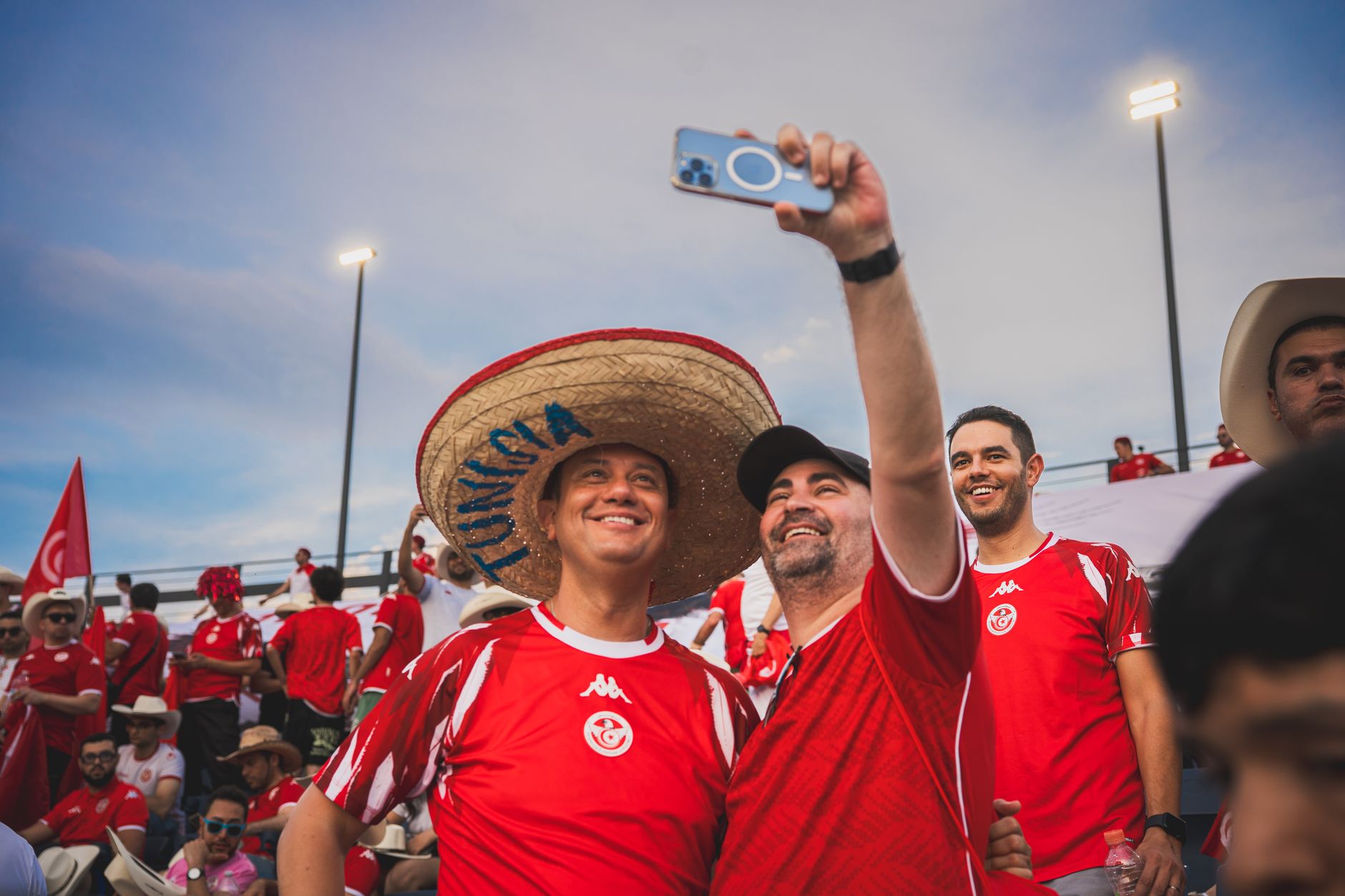
Photo by Gerardo Trujillo on Pexels
Would I Use It Again?
Yes, I would use Kansas City as a 2026 World Cup base again, but only with early transport reservations, a realistic hotel location, and a daily plan that balances stadium access, FIFA Fan Festival Kansas City, and live match analysis.
The reason is simple: Kansas City’s value is cumulative. A fan who only flies in, attends one match, and leaves may enjoy the stadium but miss the broader host-city advantage. A fan who builds two or three days around Kansas City International Airport access, ConnectKC26 movement, barbecue districts, public viewing, and Goal Moments match previews gets a fuller tournament experience. This is especially true for bettors, because the best 2026 World Cup decisions will come from context: team rotation, travel fatigue, tactical matchups, injury updates, and crowd conditions.
My contrarian view is that Kansas City may be more useful for serious fans on non-match days than casual visitors expect. FIFA Fan Festival Kansas City can become a live information hub where supporters from different nations reveal mood, injury rumors, and lineup expectations before those signals fully appear in public markets. That does not replace disciplined betting analysis, but it can sharpen your questions before reading team previews. For more on that, use our [Internal Link: team tactics and player stats hub].
Frequently Asked Questions
Q: What is the 2026 World Cup?
A: The 2026 World Cup is FIFA’s men’s international football tournament hosted by the United States, Canada, and Mexico. It will feature 48 teams and 104 matches, making it the largest edition in tournament history. Kansas City is one of the selected host cities, with match activity, fan events, and regional transport planning built around the tournament.
Q: How to get around Kansas City during the 2026 World Cup?
A: The best approach is to combine official transport options, airport planning, and extra match-day time buffers. Kansas City’s host-city materials highlight ConnectKC26 motorcoach services linking Kansas City International Airport, Kansas City Stadium, regional destinations, and FIFA Fan Festival Kansas City. Reserve early where possible and avoid scheduling tight airport-to-stadium transfers.
Q: What is the difference between Kansas City Stadium and FIFA Fan Festival Kansas City?
A: Kansas City Stadium is the match venue, while FIFA Fan Festival Kansas City is the public celebration and viewing area. The stadium requires match access and security screening, while the fan festival is designed for broader supporter entertainment, live broadcasts, food, and cultural programming. Fans without tickets should still plan festival days as major World Cup experiences.
Q: Why does my 2026 World Cup transport plan not work on match day?
A: Most failed transport plans happen because fans underestimate crowd delays, road controls, and distance between hotel, stadium, and fan zones. A route that looks simple on a normal day can change during FIFA event operations. Build at least a three-hour pre-match movement window and check official Kansas City 2026 updates before leaving.
Q: How much does it cost to attend the 2026 World Cup in Kansas City?
A: The total cost depends on match tickets, flights, hotels, transport, food, and fan activities. The biggest variable is accommodation, because World Cup host-city hotel prices often rise sharply near match dates. Budget separately for airport transfers, stadium transport, FIFA Fan Festival visits, and daily meals rather than treating the ticket as the only major expense.
Q: Is Kansas City worth visiting for fans without match tickets?
A: Yes, Kansas City can still be worthwhile for fans without match tickets because FIFA Fan Festival Kansas City is built for public viewing and shared celebration. The city also promotes food, entertainment, neighborhoods, and its Soccer Capital of America identity. Ticketless fans should plan around fan festival schedules, public screenings, and team-supporter gatherings.
Q: How can Goal Moments help during the 2026 World Cup?
A: Goal Moments helps fans follow match predictions, team tactics, player stats, and tournament storylines during the 2026 World Cup. That is useful for supporters who want more than travel information, especially those comparing form, injuries, and betting markets. Use it before match days to turn city excitement into better football decisions.
Ready to follow the 2026 World Cup with sharper context and better daily preparation?
Thank you for reading.
Goal Moments · Editorial Archive · No. 01